
Online poker real money bitcoin keeps popping up in group chats, but most Aussies still treat it like a foreign language. You don’t need a maths degree or a crypto wallet the size of a brick to give it a proper go, just a clear head and a few ground rules. This walkthrough follows a typical player from sign-up to that first virtual felt, with the kind of practical detail you’d want before handing over any cash.
Getting Signed Up and Verified Without the Headache
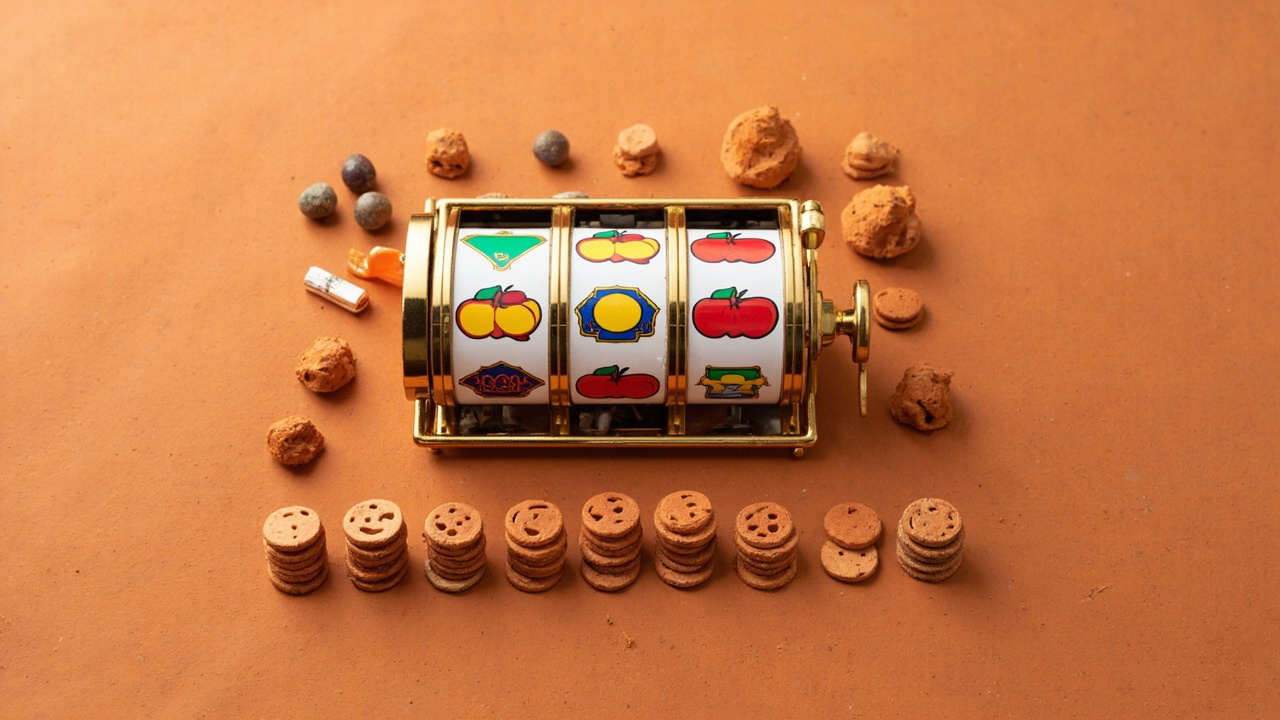
Registration on a bitcoin-friendly poker room looks a lot like any other crypto casino, except the paperwork leans a touch heavier on proof of age and location. You’ll start by picking a username, setting a strong password, and entering an email that actually belongs to you. Most rooms ask for your real name, date of birth, and a postcode early on, because Australian operators have to confirm you’re eighteen-plus and physically located where the law expects you to be. There’s no magic shortcut here; trying to skirt the checks usually just freezes your account later.
Once the basics are in, the platform will nudge you toward identity verification. You’ll typically upload a driver’s licence or passport, a quick selfie for facial matching, and sometimes a recent utility bill if the billing address doesn’t match your registration details. The whole process runs on auto-scoring for straightforward cases, though anything fuzzy can trigger a manual review that adds a day or two. After that clears, you move to the wallet screen, where you’ll generate a deposit address or scan a QR code to fund your account in bitcoin.
The first deposit is where a lot of newcomers pause, but it’s really just a matter of copying the address, sending a small test amount from your own wallet, and waiting for the network confirmations to roll in. Bitcoin’s confirmation times can stretch if the network is busy, so a modest test transfer is worth the patience. Once the funds land, you’ll usually need to activate any welcome bonus through a designated claims section or a wagering opt-in toggle, because auto-claims are rare when crypto is involved. With the balance ready and the bonus ticked, you can drop into a cash game or sit-and-go and actually see how the interface handles real money play.
How the Bitcoin Felt Actually Plays Out
The tables, the software, and how the room handles your cash
A decent poker room running bitcoin will usually lean on established desktop and mobile clients rather than a stripped-back web tab, because serious players want hand history, multi-table tabs, and quick bet sliders. The game mix tends to cover hold’em and Omaha cash games, a handful of tournament structures, and sometimes a few side games for when the main tables thin out. Providers and game designers keep the core mechanics familiar, but the crypto layer changes how you move money in and out of the action.
The room’s payment setup matters more than the graphics. You’ll want a platform that posts clear deposit limits, shows pending transaction states instead of hiding them, and processes withdrawals through the same wallet screen you used for funding. Some rooms let you toggle between bitcoin and a stablecoin display so you can read your balance in something closer to a familiar dollar value, which helps when you’re tracking your session without doing mental exchange maths every five minutes. Support should be reachable through live chat or ticket systems that actually log your transaction IDs, because “send more confirmations” is the kind of reply you don’t want when you’re trying to cash out after a solid session. a big candy casino review read it
A beginner’s first session, step by step
If you’re helping a mate who’s never touched a crypto poker room, keep it simple and walk them through it like you’re sorting out a new EFTPOS terminal at the servo. First, get the wallet sorted before the sign-up, because fumbling for addresses mid-session just adds stress. Open the wallet app, write down the recovery phrase somewhere safe, and send a small amount of bitcoin to a separate address you’ll use for play. Tell them to treat that play amount like a night out at the pub: once it’s gone, it’s gone, and no amount of staring at the screen turns it back into coffee money.
Second, handle the registration and verification in one sitting while the details are fresh. Fill in the form, snap the ID and selfie in decent light, and upload the documents before the room asks for them twice. Third, make the first deposit a small test transfer rather than a big swing, then wait for the confirmations to clear before clicking anything else. Fourth, activate the bonus exactly where the room tells you to, read the wagering terms on the actual screen, and note any game restrictions or max bet caps that apply while the bonus is active. Fifth, start with a low-stakes cash game or a small buy-in tournament, keep the first session short, and log out once the balance is settled so the learning curve doesn’t turn into a late-night spiral.
Why This Setup Suits the Way Aussies Actually Play
The real appeal of online poker real money bitcoin for a lot of local players isn’t the novelty, it’s the way it fits a casual but serious approach to the game. You can move money without waiting on bank processors, and the transaction trail is right there in your own wallet records, which suits people who like to keep their own notes rather than rely on a casino’s back office. That said, the same features that make crypto convenient also demand a bit more discipline, because a fast deposit can turn into a fast bleed if you’re not watching your buy-ins.
The rooms that handle this well tend to keep the player experience grounded rather than flashy. They’ll give you clear pending states, reasonable table limits, and a lobby that doesn’t hide the actual stakes behind glossy banners. One operator we’ve tracked in a recent a big candy casino review read it took a straightforward approach to onboarding and wallet management, which is the kind of no-nonsense setup that keeps newcomers from getting lost in the menus. For players who want to treat poker as a regular hobby rather than a one-off thrill, that practicality matters more than any marketing spin.
A quick word from the industry side: Liam McKenzie, Head of Live Casino, Southern Cross Gaming Advisory, notes that “crypto rooms can feel slick, but the players who last are the ones who treat verification, limits, and session pacing as non-negotiable, not optional extras.” That lines up with what you see on the tables: the rooms that keep things transparent tend to hold their regulars, while the ones that obscure terms or push big first deposits usually churn through them.
| Setup Step | What to Check | Why It Matters |
|---|---|---|
| Registration | Real name, DOB, postcode entered correctly | Keeps verification from bouncing back later |
| Identity check | ID, selfie, and address proof ready | Clears the account before you fund it |
| First deposit | Small bitcoin test transfer first | Confirms the address and network timing |
| Bonus activation | Opt-in toggle or claims section used | Avoids missing a wagering requirement |
| First session | Low stakes, short play, balance logged | Keeps the learning curve manageable |
The verdict is straightforward: online poker real money bitcoin works for Aussie adults who want a practical, self-managed way to play, provided you treat the sign-up, verification, and wallet steps as part of the game rather than paperwork to rush through. Get the basics right, start small, and keep your session notes in your own head or your own spreadsheet, and the crypto layer becomes a useful tool instead of a gimmick.

